Powering Smarter Cities Through Reliable Network Infrastructure

Modern cities depend on fast, stable, and scalable communication networks. From homes and offices to industrial parks, public services, commercial buildings, and smart transportation systems, every connected environment needs a strong digital foundation. As more devices, applications, and cloud-based services become part of daily life, the quality of network infrastructure directly affects how people communicate, work, monitor systems, and access information.
The image of a connected city reflects this new reality. Mobile devices, cloud platforms, business systems, security applications, smart terminals, and user services are no longer separate technologies. They are part of one connected ecosystem that requires reliable data transmission, low latency, and efficient network management. Behind this ecosystem, fiber access networks and advanced broadband equipment play an important role in keeping services stable and ready for growth.
For telecom operators, internet service providers, system integrators, and enterprise network builders, the challenge is not only to provide faster access. It is also to build a network that can handle long-term demand. A well-planned access network should support more users, higher bandwidth, easier maintenance, and future upgrades without creating unnecessary complexity.
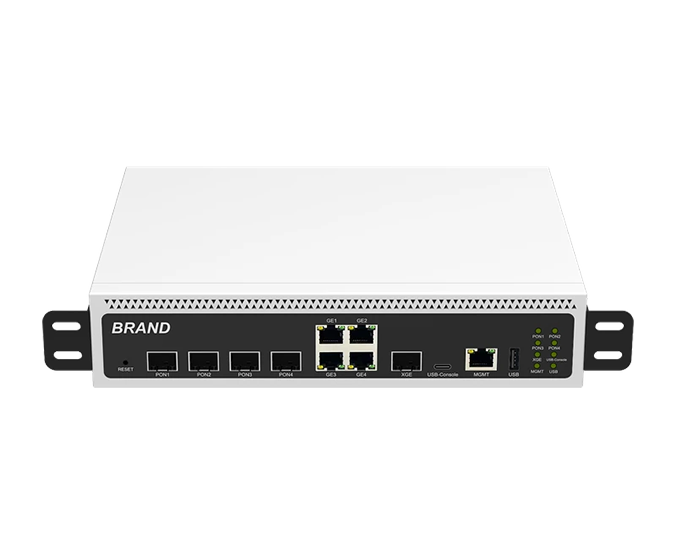
PON technology has become an important solution for modern access networks because it allows high-speed data delivery through optical fiber while supporting centralized management and flexible deployment. Whether the project is designed for FTTH, FTTB, campus networks, business parks, hotels, residential communities, or private broadband systems, optical access equipment helps create a more stable and efficient connection between the service provider and end users.
As the demand for digital services continues to increase, network hardware must do more than simply connect users. It must support reliable operation, smooth bandwidth distribution, device compatibility, and practical deployment in different environments. This is especially important for projects where multiple users, buildings, or service areas need to be managed from a central access point.
A strong access network can improve user experience in several ways. It helps reduce connection interruptions, supports faster data transmission, and allows service providers to manage network resources more efficiently. For businesses and communities, this means better support for video communication, cloud platforms, monitoring systems, smart devices, and daily internet access.
In smart city development, connectivity is not limited to mobile communication. It also includes fixed broadband, optical access, enterprise networking, public service systems, security networks, and digital infrastructure for buildings and communities. These different systems need to work together smoothly. Reliable fiber access solutions help create the stable backbone required for this connected environment.
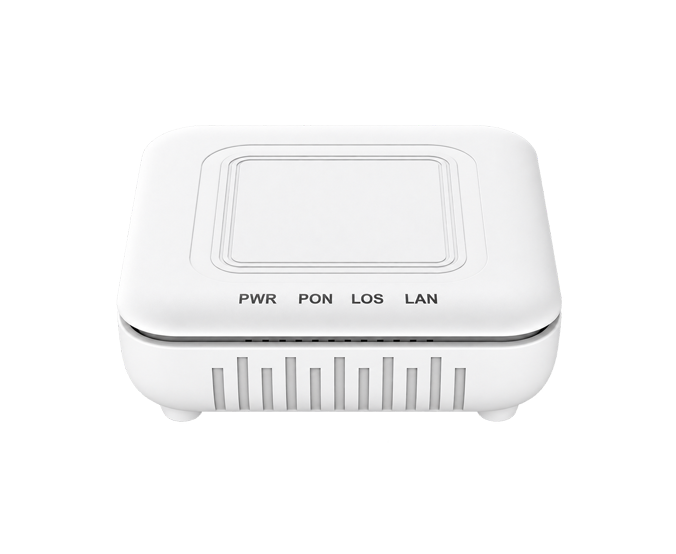
For project-based network deployment, product selection is also very important. Different projects may require different port density, uplink capacity, management features, ONU or ONT compatibility, and installation methods. Choosing the right access equipment at the beginning can reduce future maintenance problems and make expansion easier when the number of users or services increases.
ORFA focuses on practical network access solutions for real deployment needs. Our products are designed to support stable broadband access, flexible network planning, and technical adaptation for different project requirements. We work with partners, operators, and system integrators to provide product selection support, compatibility guidance, and deployment assistance based on the actual network environment.
For customers building FTTH, FTTB, ISP access networks, enterprise broadband, or private optical networks, ORFA can help evaluate the project requirements and recommend suitable access solutions. By understanding the number of users, bandwidth demand, uplink requirements, terminal compatibility, and management needs, we help partners choose products that are better suited to their application.
As connected cities and digital businesses continue to grow, network infrastructure must be ready for higher expectations. Reliable access equipment helps create the foundation for faster communication, smarter services, and more efficient management. With the right planning and the right technology, operators and project partners can build networks that are stable today and prepared for future expansion.
ORFA is committed to supporting this development with dependable optical access products, technical cooperation, and project-focused service. Our goal is to help partners build stronger broadband networks that serve modern users, connected buildings, and the next generation of smart city applications.